Price on project basis
Contact us for a quote
Solutions by industry
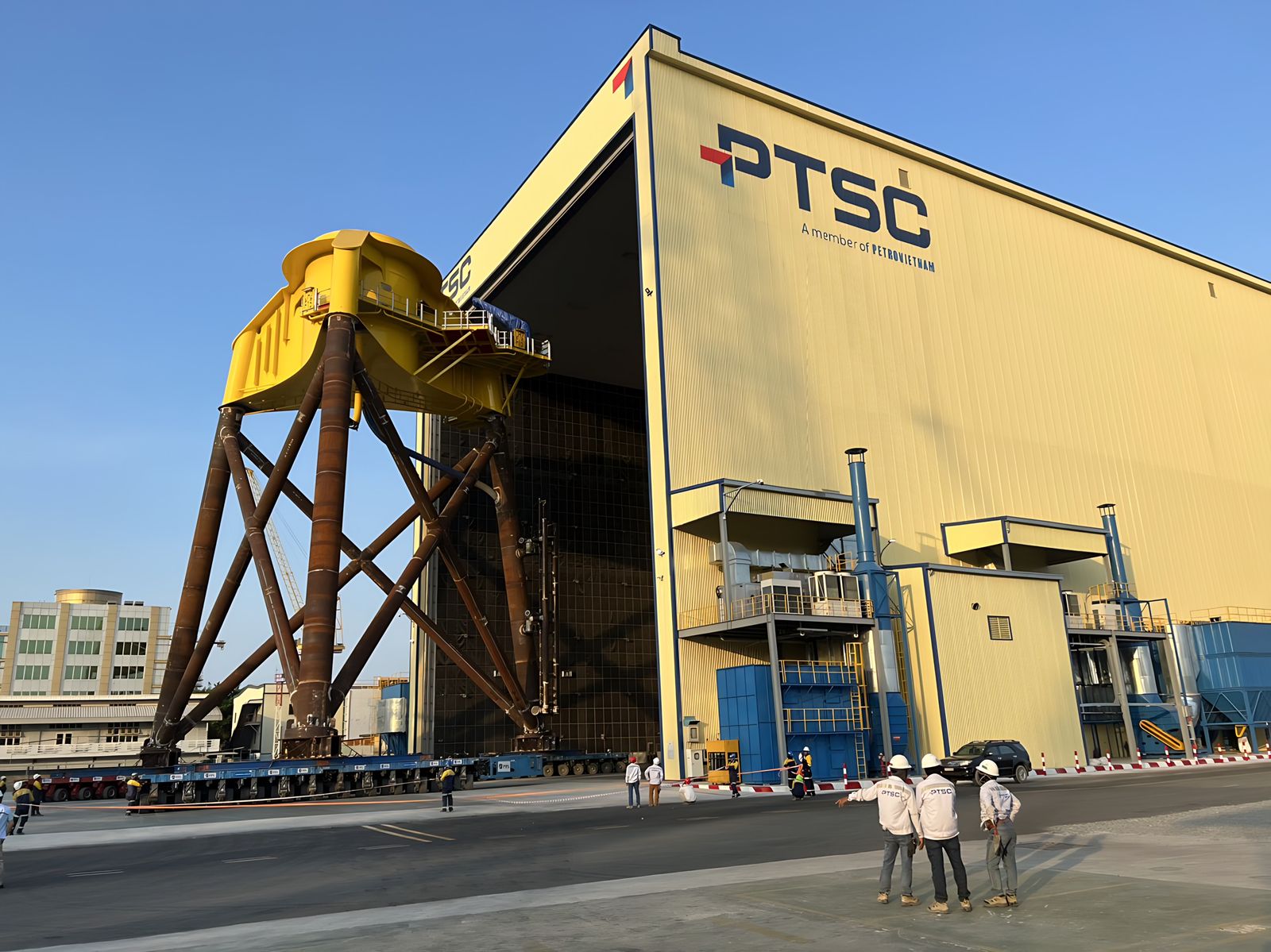
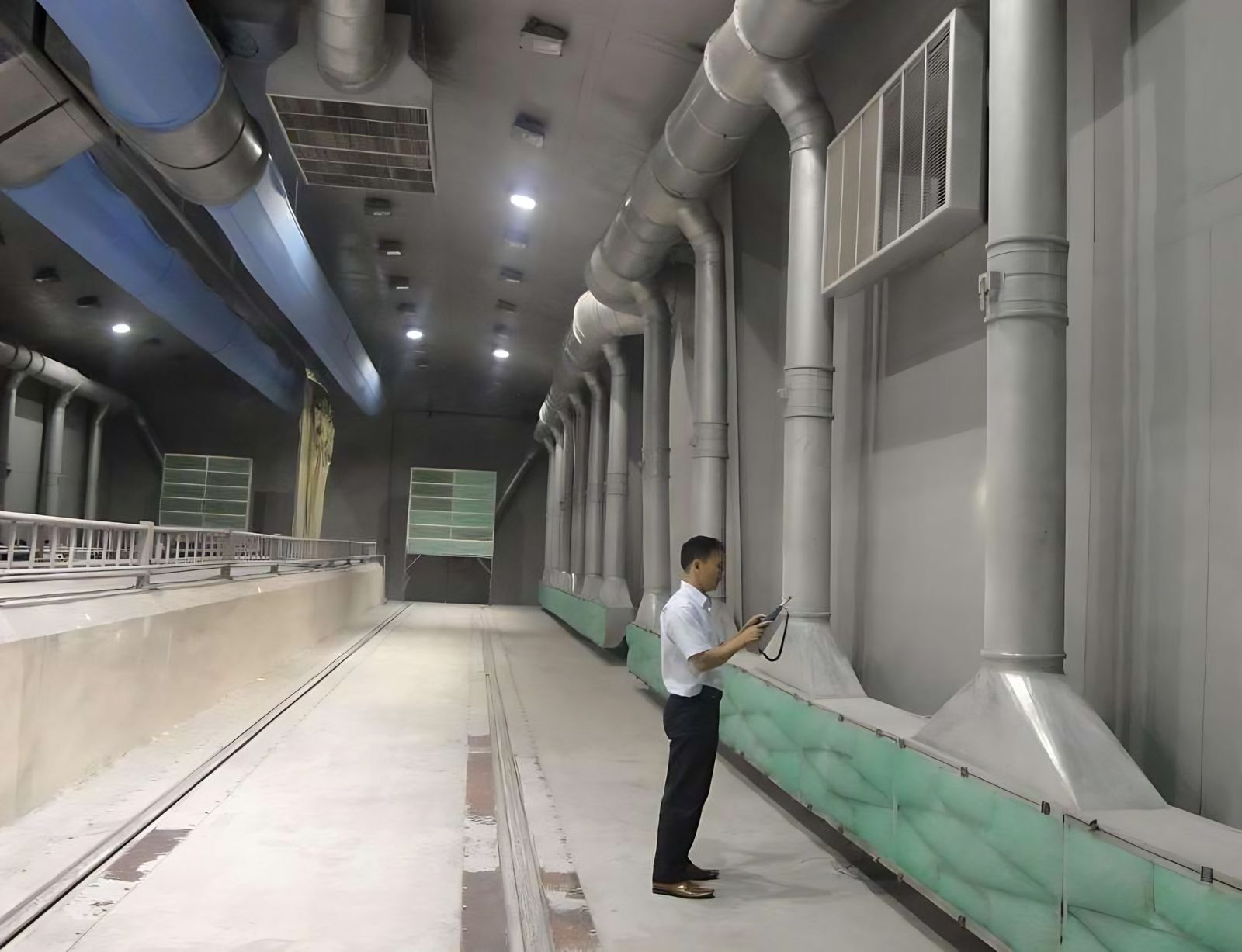
Blasting and painting steel structures, ship hulls and tanks need dry air so the steel does not rust again before painting and the coating adheres to standard.
Steel surface temperature at least 3 °C above dew point throughout blasting and painting (per ISO 8502-4).
Reference values. ENCO engineers calculate to the requirements and actual moisture load of each site.
Price on project basis
Contact us for a quote
Price on project basis
Contact us for a quote
Price on project basis
Contact us for a quote
Desiccant rotors hold a low, stable dew point even when air is cool, and deliver the large airflow that wide blasting areas need.
It depends on area volume, airtightness, air changes and climate. ENCO engineers survey and calculate the airflow for each site; ENCO projects range from 33,000 to 86,000 m³/h.
Send the room size, target humidity and the goods stored; ENCO surveys and proposes a solution free of charge.






Analytics cookies are only enabled if you agree. Details